




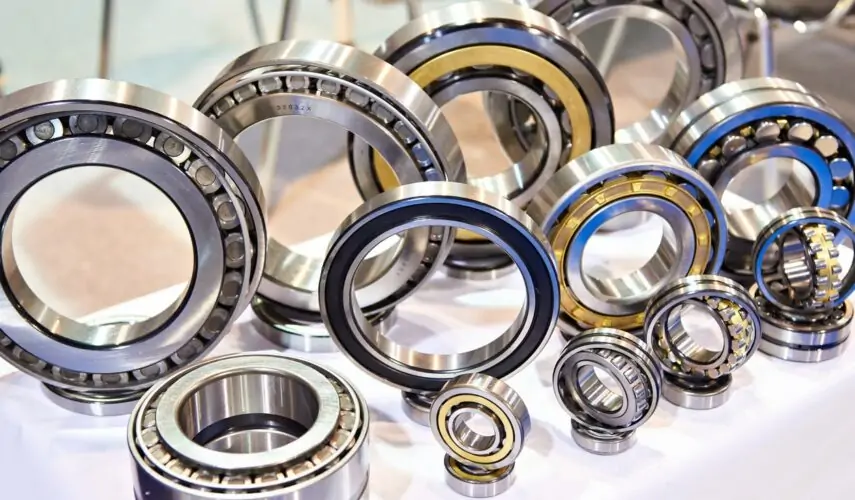
Innovations in Corrosion Resistance and Lubrication Unlock New Applications Across Food, Pharma, and Marine Sectors
The global stainless steel bearing market is undergoing a significant transformation, propelled not by a single blockbuster product, but through incremental yet crucial advancements in material science and a strong alignment with worldwide sustainability and hygiene trends.
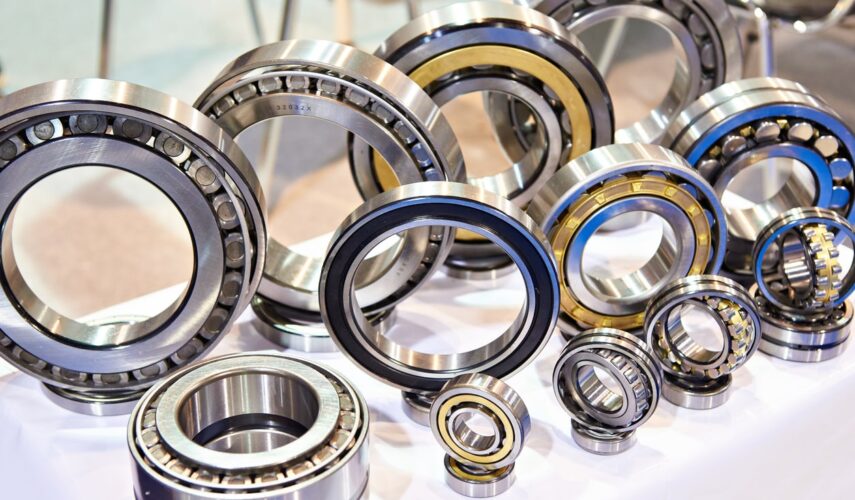
A key development area is the enhancement of corrosion resistance. While AISI 440C remains a standard, manufacturers are increasingly adopting martensitic stainless steels like Cronidur 30 and exploring high-nitrogen steels (HNS). These materials offer superior pitting resistance, crucial for bearings operating in highly aggressive environments such as chemical processing or offshore wind turbines. “The frontier is no longer just about surviving in a corrosive environment, but about extending maintenance intervals and reliability in the most punishing conditions,” notes Dr. Elena Vargas, a materials engineer at a leading European research institute.
Parallel to material innovation, the push for maintenance-free and clean operation is accelerating the adoption of advanced lubrication solutions. Food-grade and high-purity greases compliant with FDA and NSF H1 standards are now commonplace. More notably, the integration of self-lubricating polymer composite retainers and the development of advanced thin-film solid lubricants are enabling bearings to perform in vacuums, extreme temperatures, or in applications where liquid lubricants are strictly prohibited, such as in semiconductor manufacturing.
The market impact is clear. According to a recent analysis, the stainless steel bearing segment is expected to outpace the overall bearing market growth, with a CAGR of approximately 6.8% from 2024 to 2030. This demand is heavily driven by the food & beverage and pharmaceutical industries, where hygiene regulations are stringent, and by the renewable energy sector, particularly in marine applications for tidal and offshore wind power.
2026-01-21
